








1/11
WordPress design
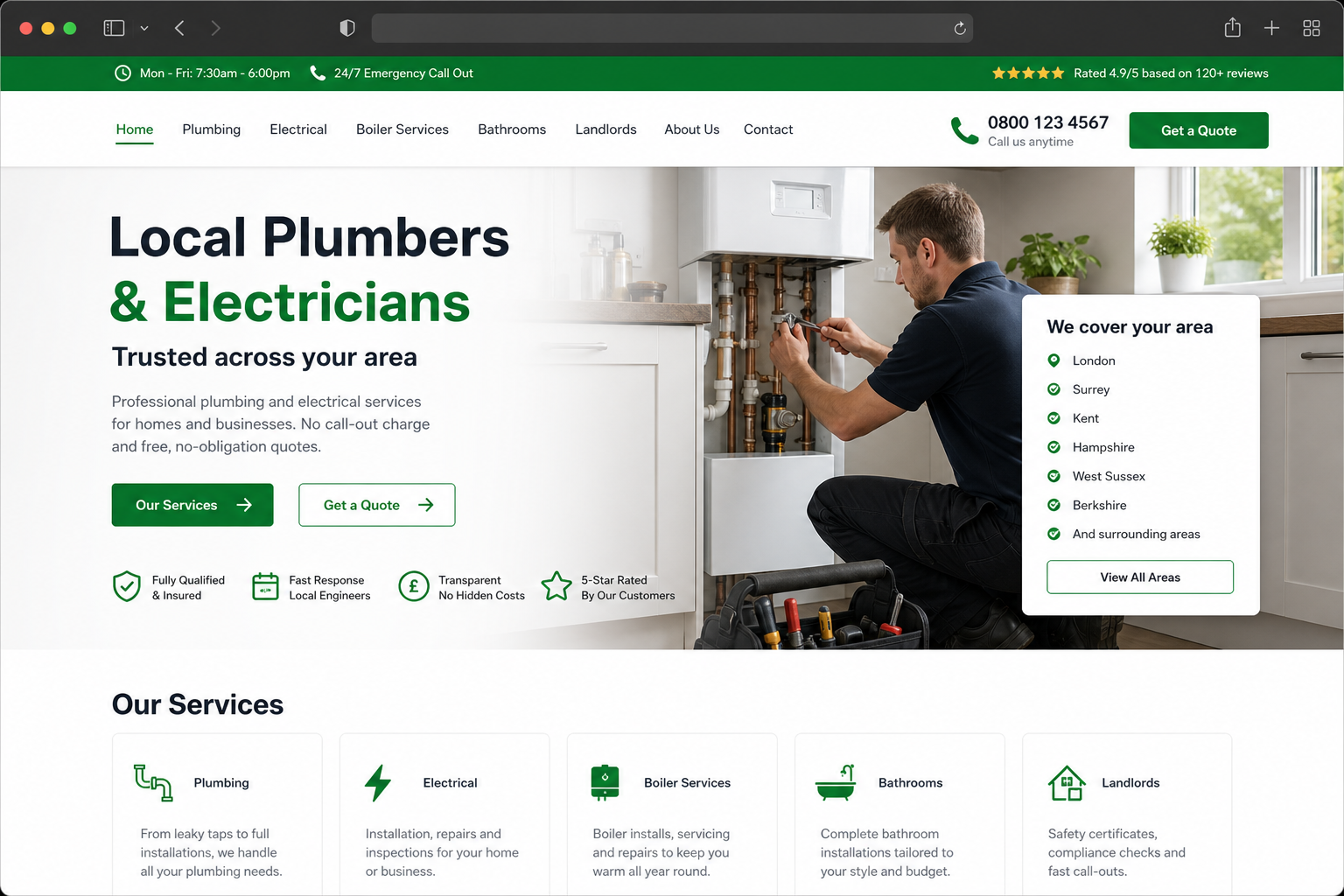
Custom WordPress builds on a 5-year hosting agreement
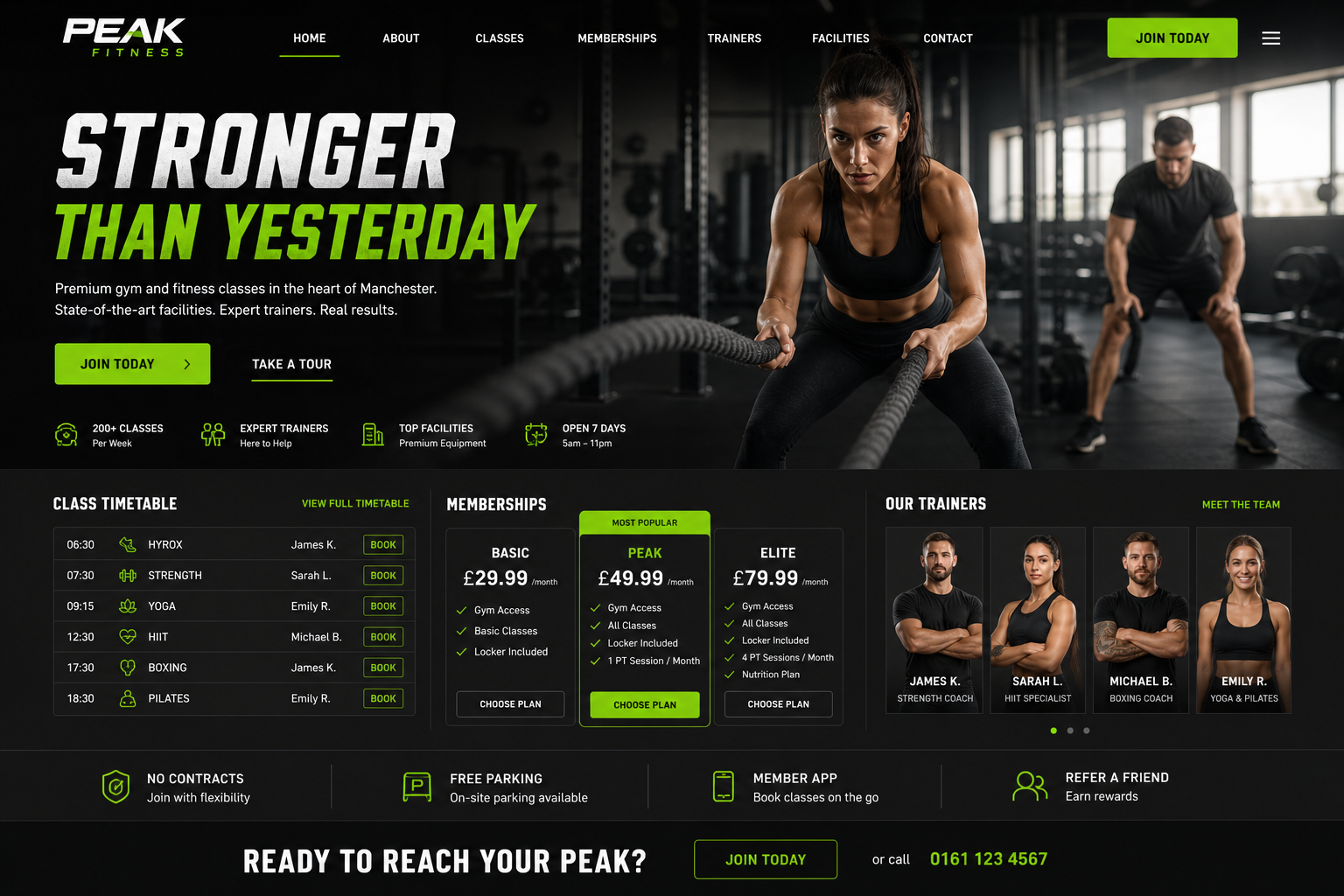
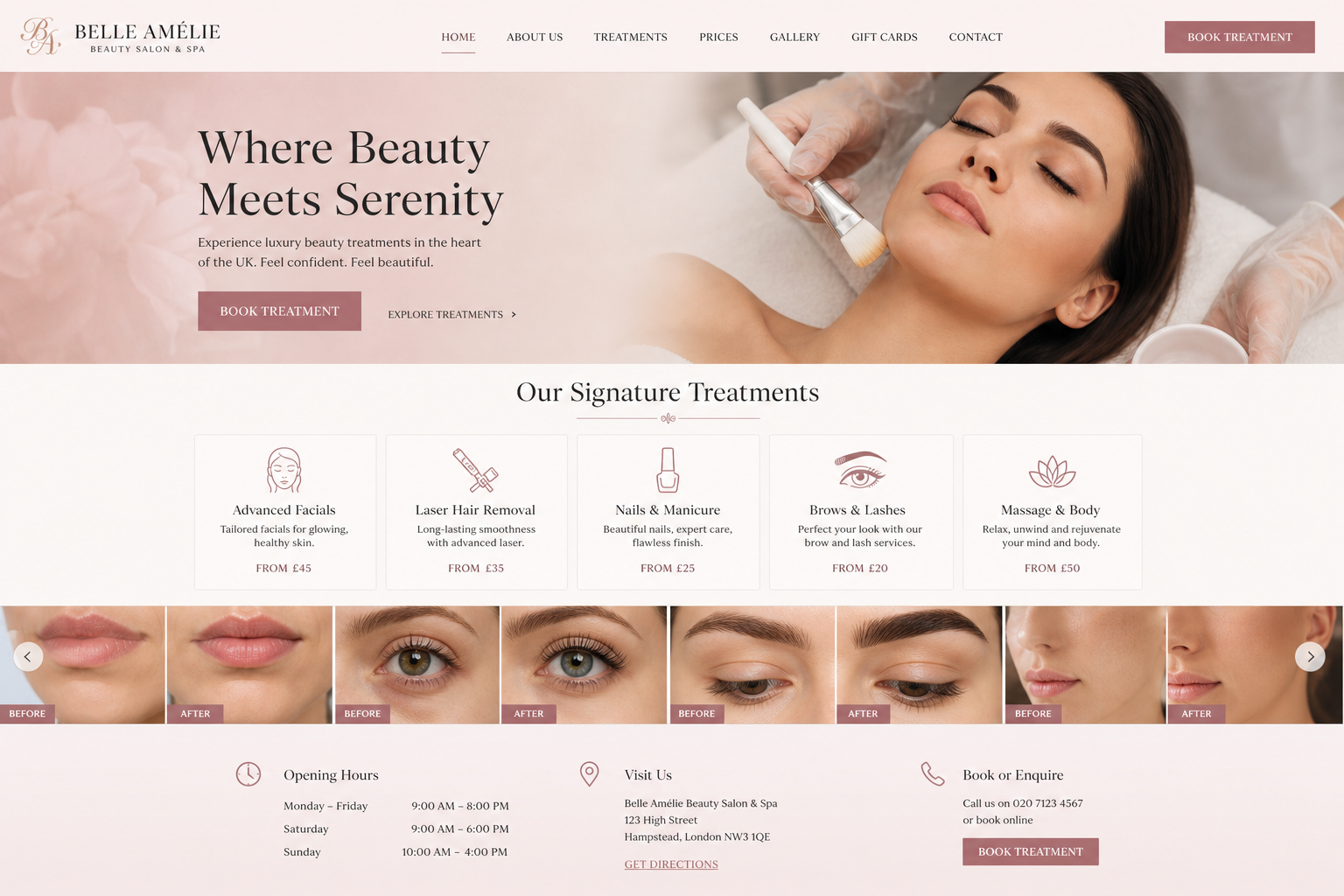
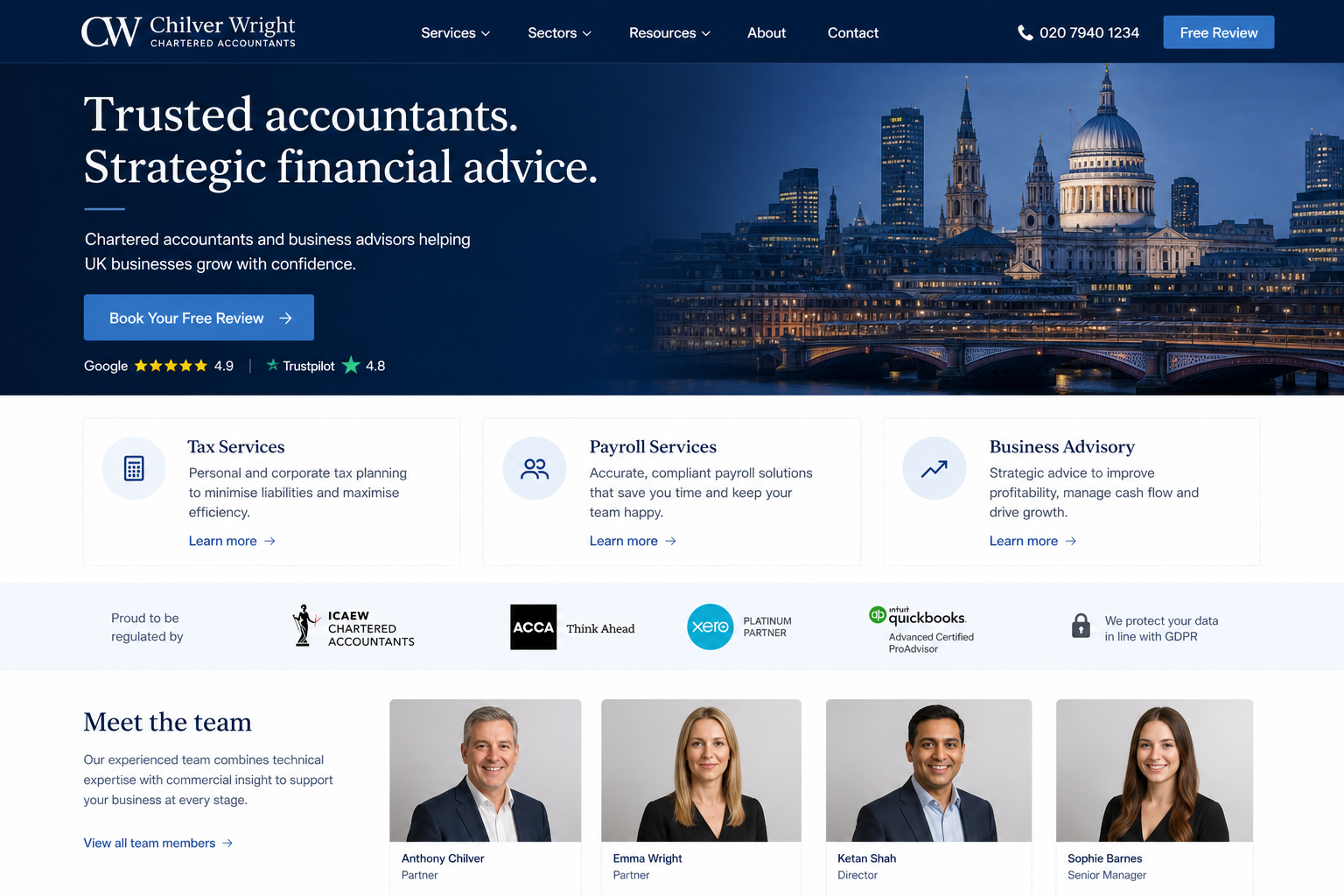
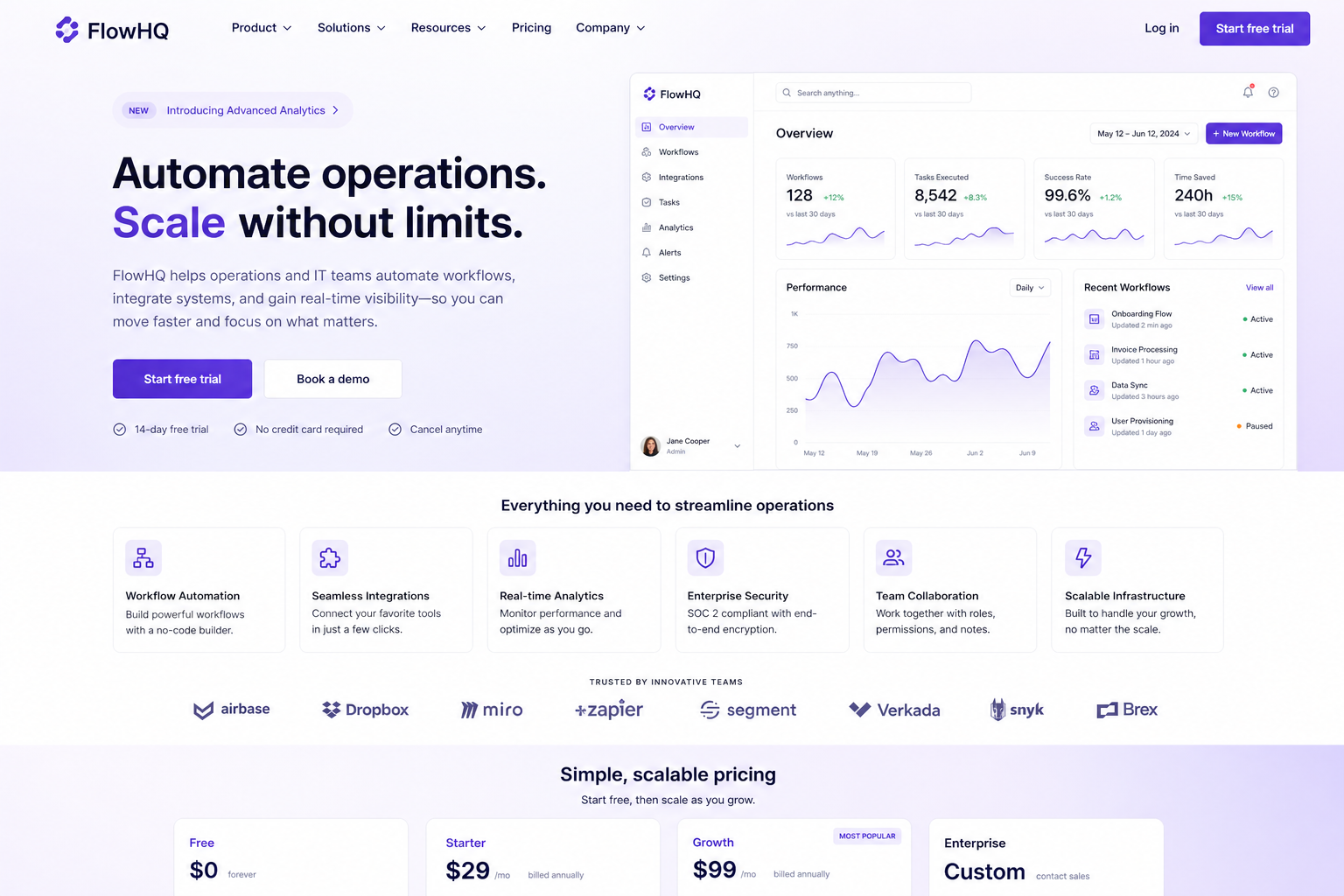
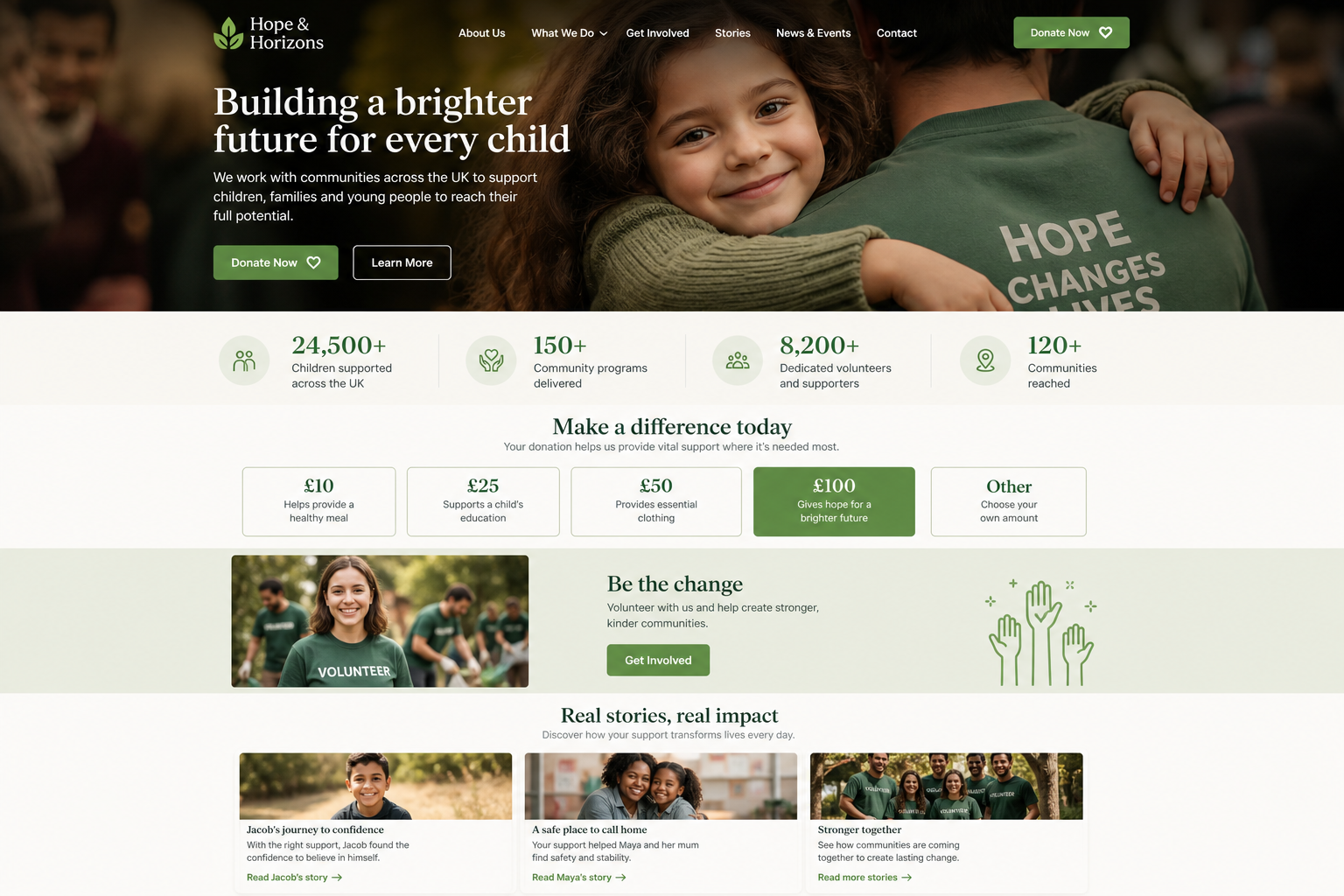
Trades & home services — emergency call-out, service grid, local trust signals
View WordPress design
Nano & Micro entry
Apps+OS from £5.33/mo — WordPress eligible
Small — 3 months free
Most popular starter — trial on new accounts
Scale plans
X-Large through 16X-Large for growth clients
Professional mailboxes
Webmail on your domain — monthly and annual plans
Uptime monitoring
External checks and alerts before customers notice
1/11
WordPress design
Custom WordPress builds on a 5-year hosting agreement
Trades & home services — emergency call-out, service grid, local trust signals
View WordPress design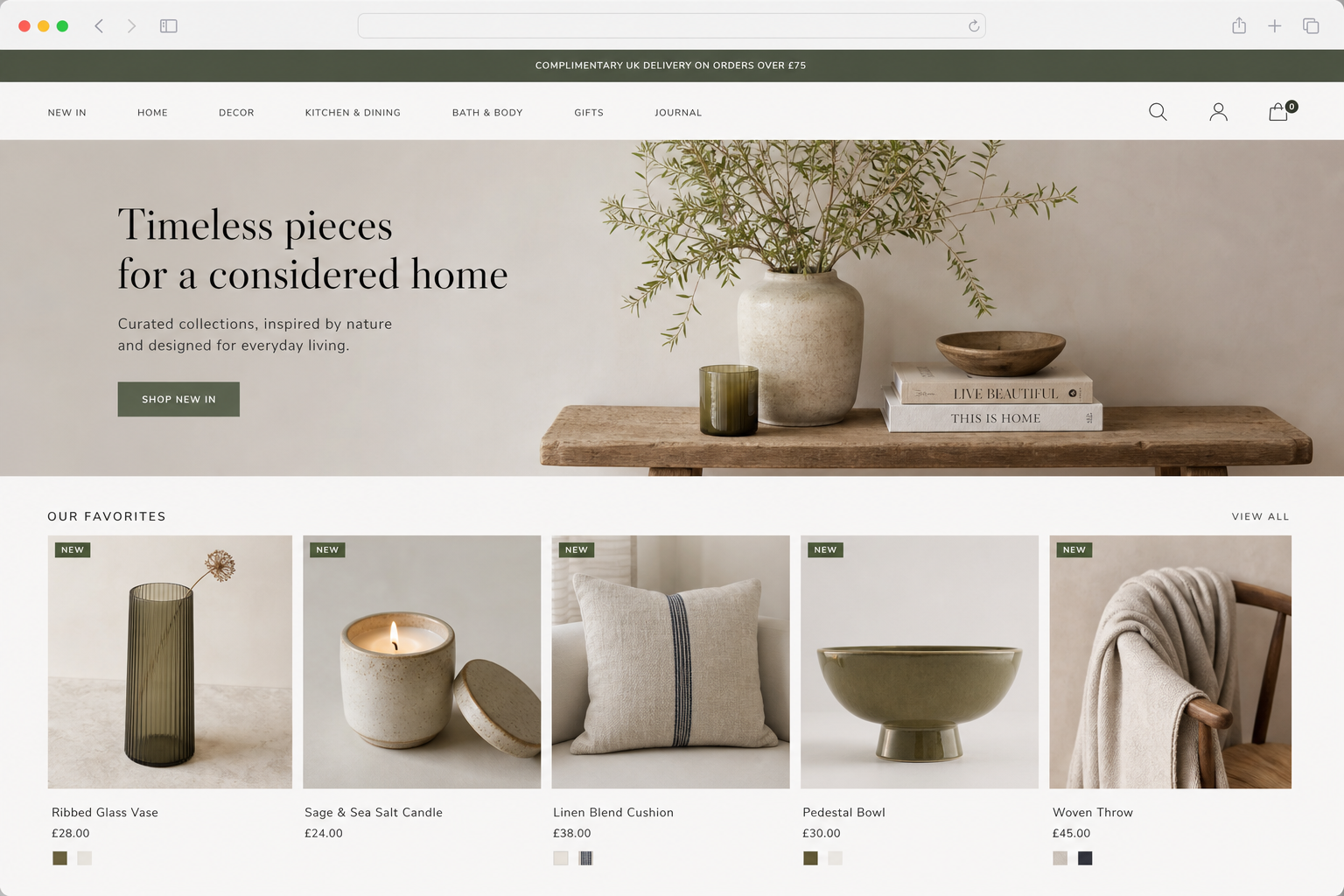
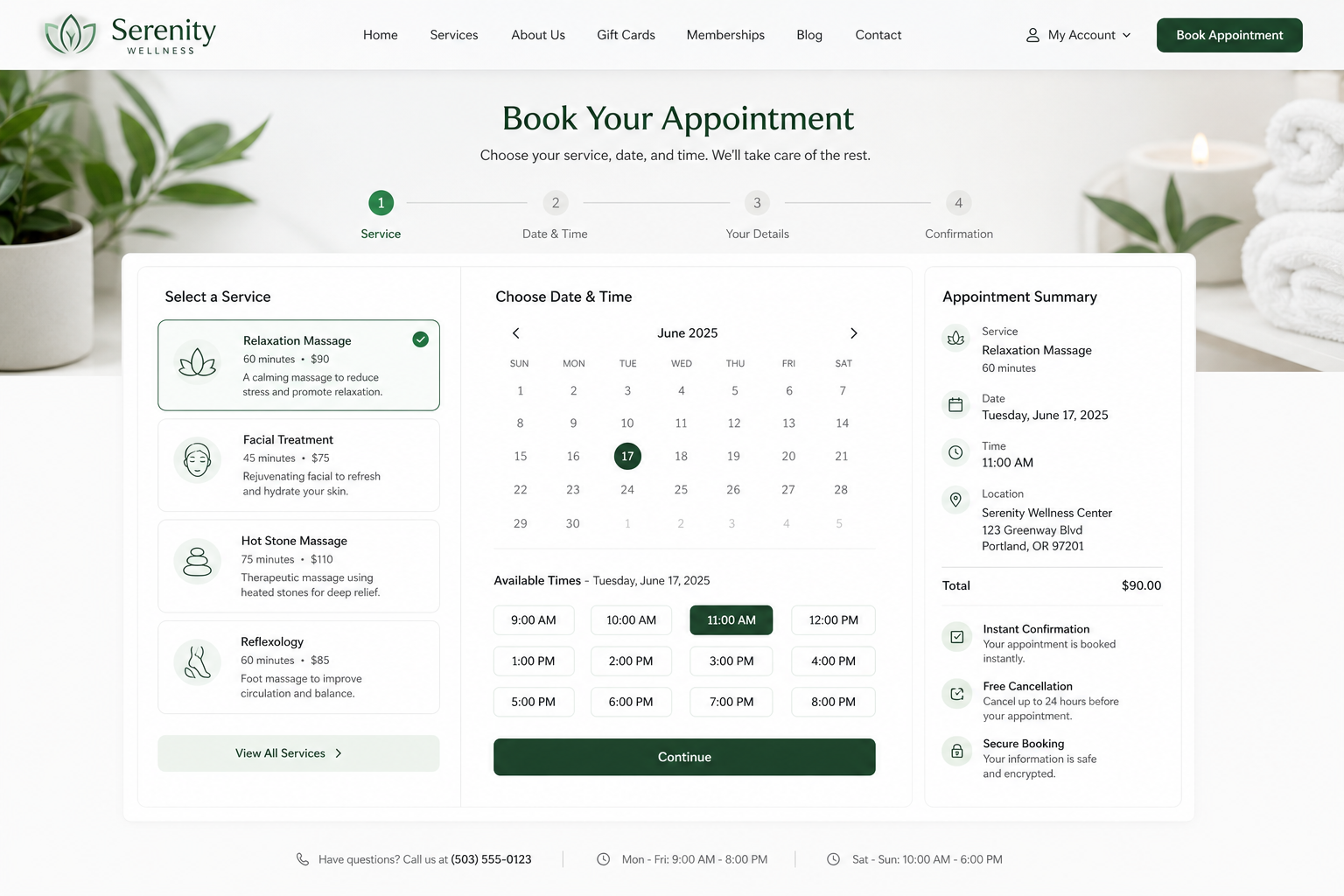
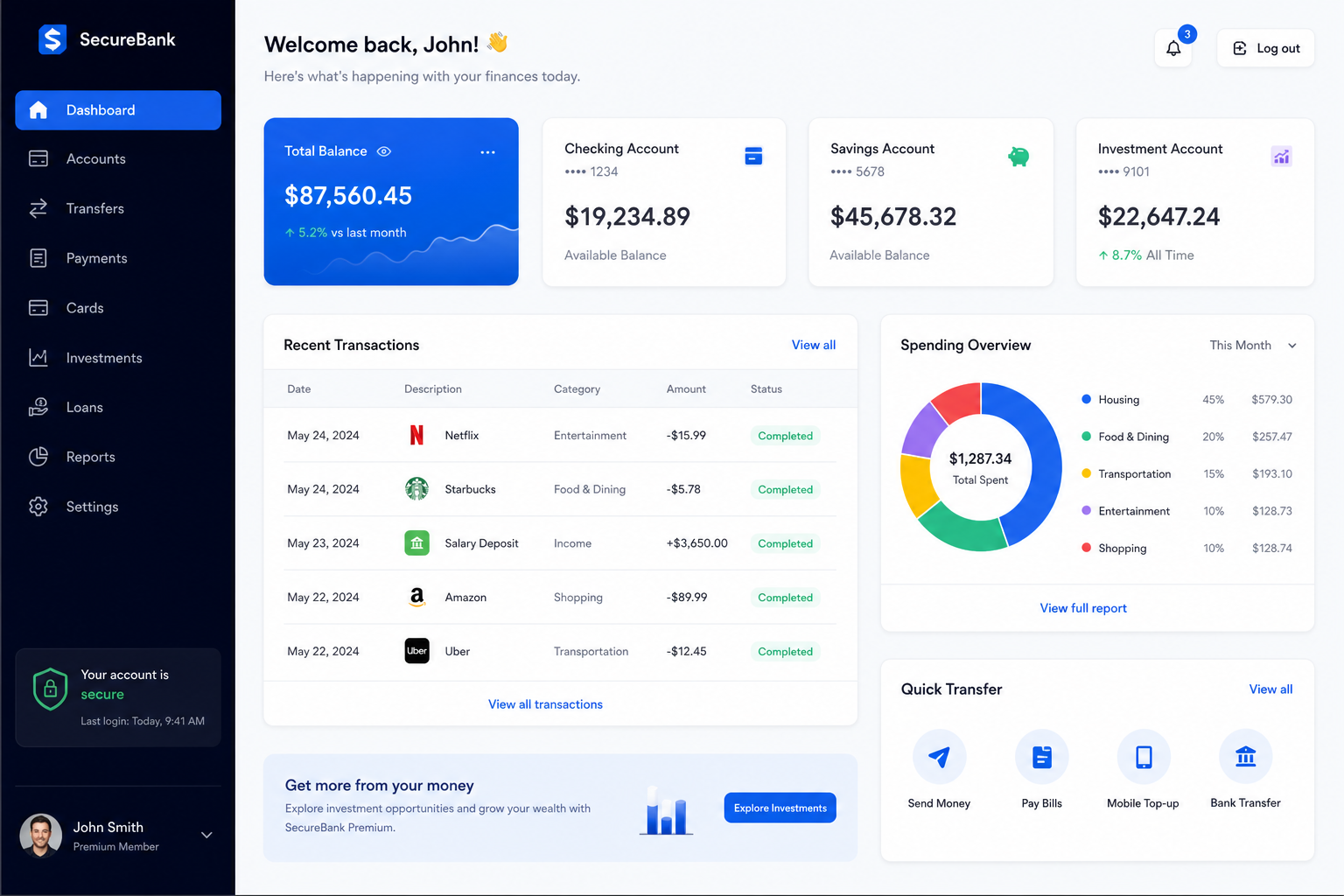
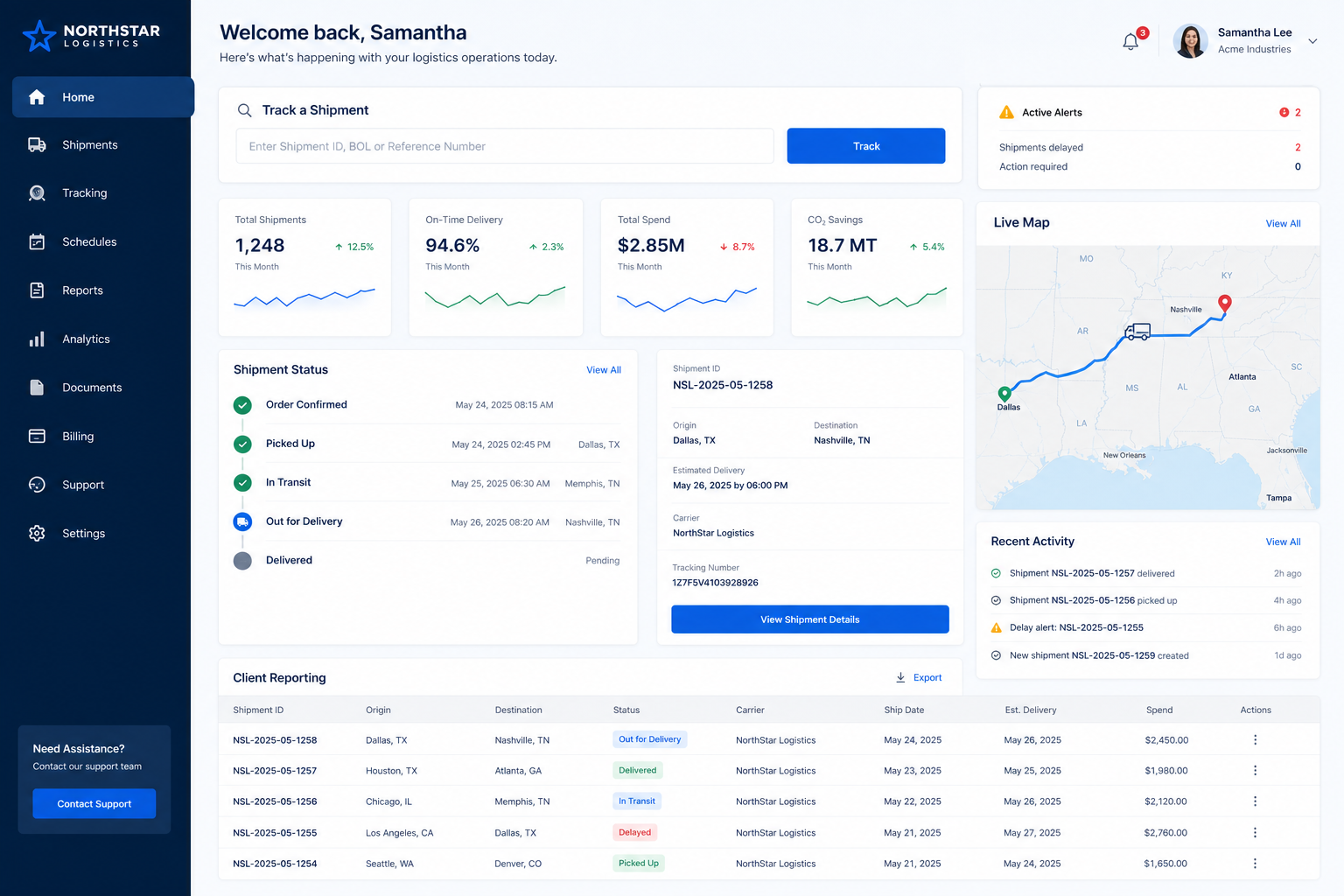
1/8
Custom development
Bespoke sites, apps, and integrations
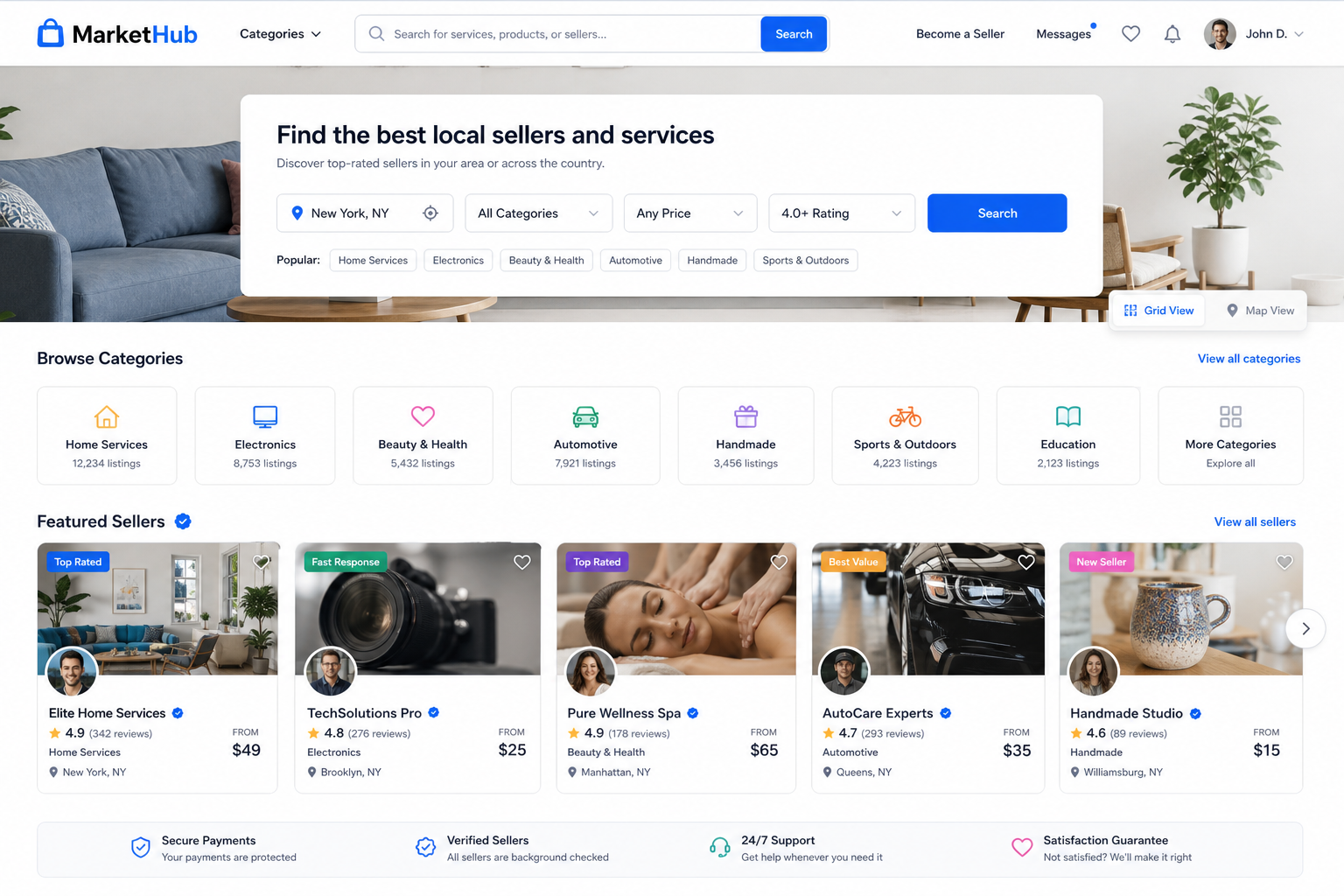
Ecommerce retail — product discovery, merchandising, and checkout-ready layout
View Custom developmentLegal
Website Servers Ltd is committed to making our website and control panels usable by as many people as possible, regardless of ability or the technology they rely on. This statement sets out where we stand today, the standards we hold ourselves to, and how to tell us when we fall short.
We believe that good hosting should be available to everyone, and that begins with a website and a control panel that everyone can use. We treat accessibility as part of quality rather than an afterthought, and we build it into our design and development from the start.
Accessibility benefits everyone. Clear structure, readable text and reliable keyboard support make our services easier to use for people with disabilities and for people using a phone, a slow connection or an unfamiliar device.
We aim to meet the Web Content Accessibility Guidelines (WCAG) 2.2 (opens in a new tab) at level AA across our public website and customer control panels. WCAG 2.2 AA is the standard most widely recognised in the United Kingdom for accessible digital services.
Under the Equality Act 2010 (opens in a new tab) we have a duty to make reasonable adjustments so that disabled people are not placed at a substantial disadvantage. We treat the accessibility of our digital services as part of meeting that duty.
We use WCAG 2.2 as our working standard and follow its four guiding principles: that content should be perceivable, operable, understandable and robust. These principles shape the way we write, design, build and test our services.
We take a range of practical steps to keep our services accessible.
We test our services with recent versions of the major browsers and with common assistive technologies, including popular screen readers on desktop and mobile. We support the current and previous major versions of widely used browsers, and we test screen magnification and operating system contrast settings.
If you use an older browser or an unusual configuration, some features may not behave as expected. Please tell us if you encounter a problem, because real reports help us prioritise our work.
We are honest about where we have more to do. The following areas are known not yet to meet our target, and we have committed dates to fix each one.
We assess our services using a combination of automated testing tools, manual testing by our team, and testing with assistive technology. Automated tools catch many issues quickly, but we rely on manual testing to judge the things that automation cannot, such as whether the reading order makes sense and whether interactions are genuinely usable.
We welcome your feedback on the accessibility of our services. If you find a barrier, or you need information in a different format such as large print or an accessible document, please tell us and we will do our best to help.
Please include the web address of the page, a description of the problem, and the browser and assistive technology you were using. We aim to acknowledge accessibility feedback within two business days and to provide a substantive response within five business days.
If you contact us with a complaint about accessibility and you are not satisfied with our response, you can contact the Equality Advisory and Support Service (EASS) (opens in a new tab), which offers free advice. The Equality and Human Rights Commission (EHRC) (opens in a new tab) is responsible for enforcing the accessibility duties that arise under the Equality Act 2010 (opens in a new tab).
Accessibility is never finished. We review this statement regularly, we retest after significant changes to our services, and we use what we learn from feedback to keep improving. Where we identify a barrier, we record it, prioritise it and track it through to a fix.
This statement was prepared and is reviewed by Carl Hodges, who holds responsibility for accessibility alongside the data protection role. It is reviewed at least every quarter and whenever we make a significant change to our services.


