















1/11
WordPress design
Custom WordPress builds on a 5-year hosting agreement
Trades & home services — emergency call-out, service grid, local trust signals
View WordPress design
Nano & Micro entry
Apps+OS from £5.33/mo — WordPress eligible
Small — 3 months free
Most popular starter — trial on new accounts
Scale plans
X-Large through 16X-Large for growth clients
Professional mailboxes
Webmail on your domain — monthly and annual plans
Uptime monitoring
External checks and alerts before customers notice
1/11
WordPress design
Custom WordPress builds on a 5-year hosting agreement
Trades & home services — emergency call-out, service grid, local trust signals
View WordPress design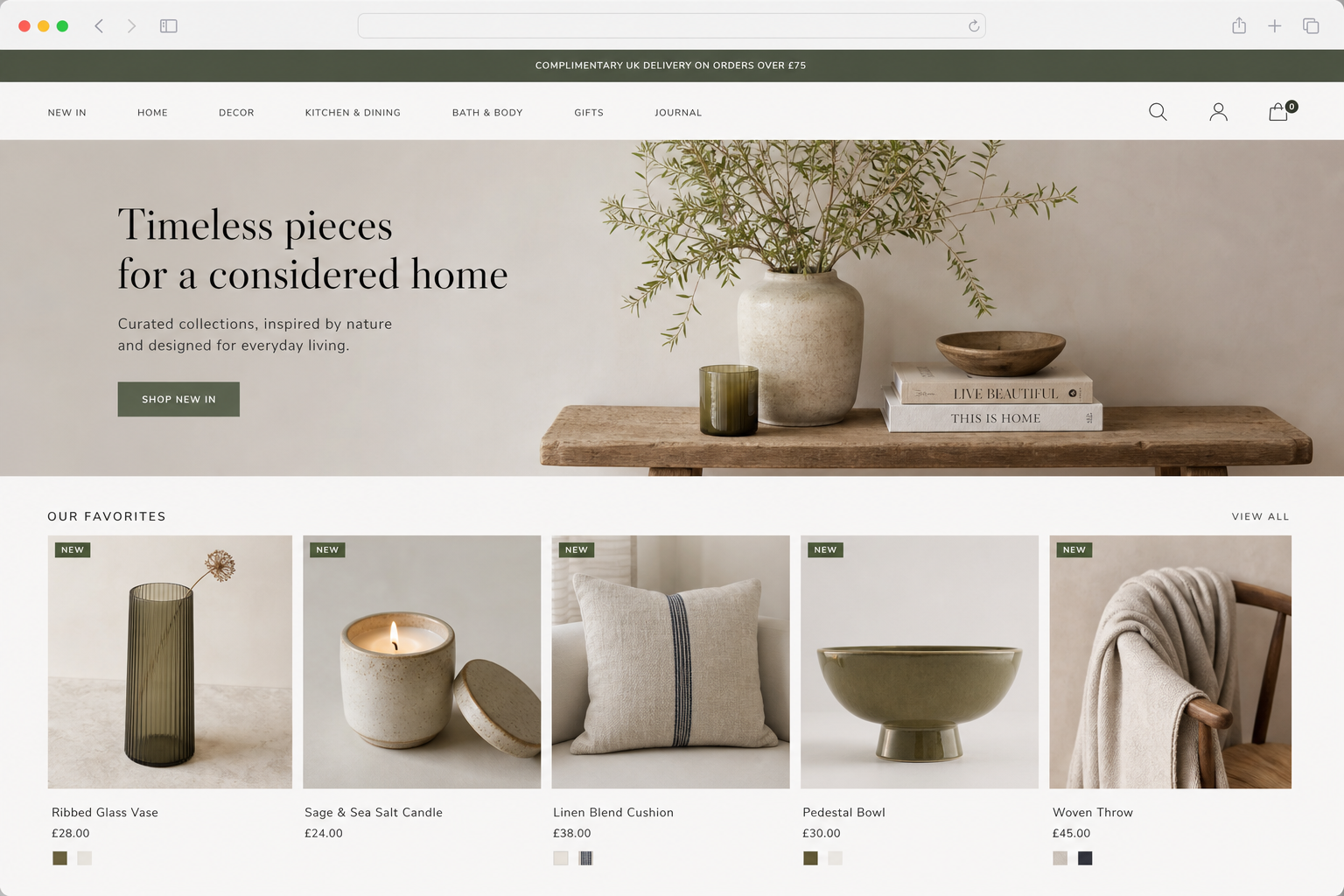



1/8
Custom development
Bespoke sites, apps, and integrations
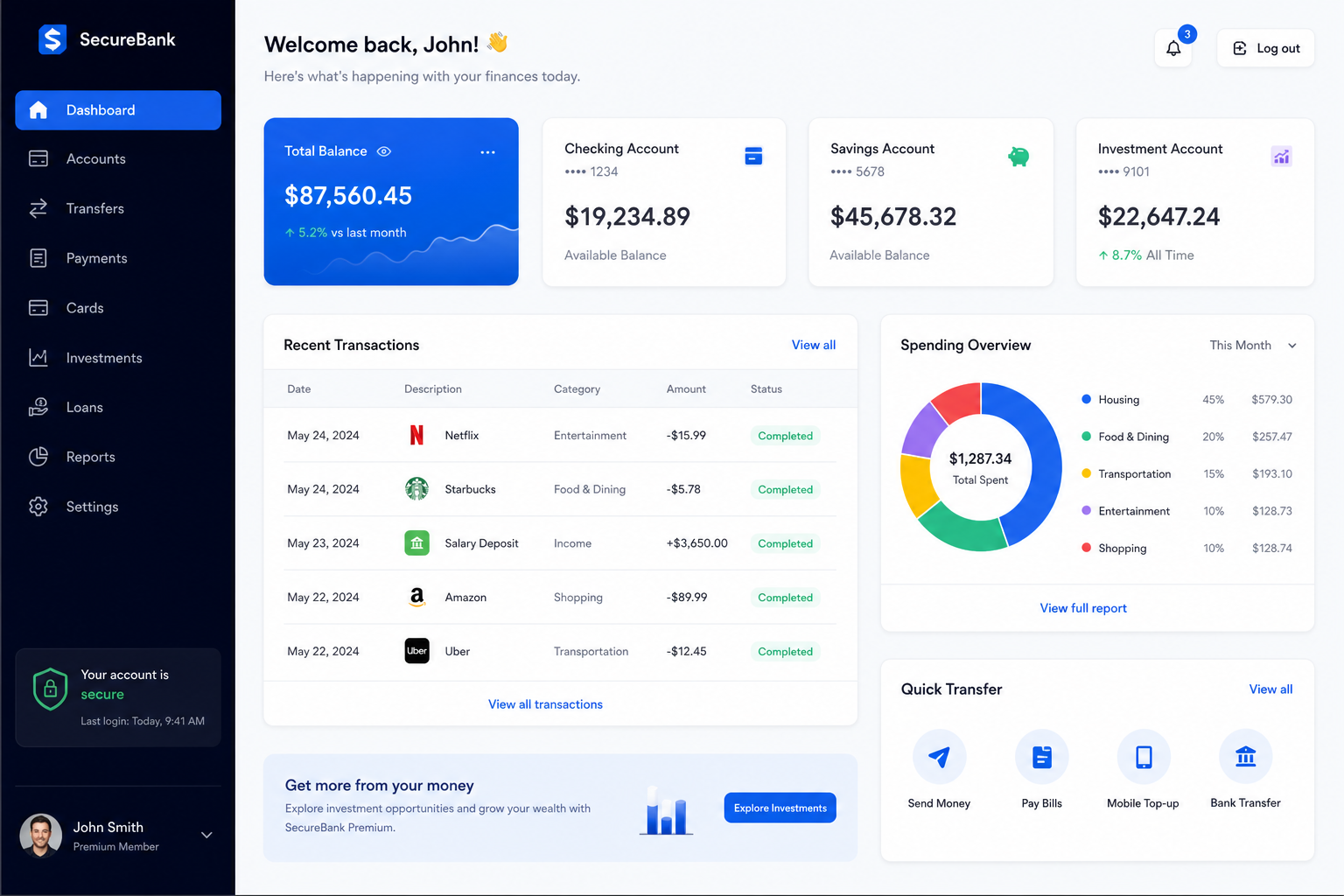
Ecommerce retail — product discovery, merchandising, and checkout-ready layout
View Custom development
You are comparing two hosting providers and one of them displays a row of certification badges across its footer. The other does not. Does that make the first one safer, or is it just better at decorating a web page? If you have ever felt unsure how much weight to give those logos, you are asking exactly the right question.
Certifications can be genuinely meaningful or close to meaningless, depending on which one it is and who issued it. ISO 27001 is one of the more serious, so it is worth understanding what it really tells you.
It is tempting to dismiss every badge as decoration, but the better ones represent real, audited work. A proper certification is not bought. It is earned by passing an independent assessment and then kept by passing further checks over time.
The trick is telling the substantial certifications apart from the self awarded stickers. A logo that anyone can add to their site after filling in a form proves very little. A standard verified by an accredited external body is a different thing entirely, and ISO 27001 sits firmly in the second camp.
ISO 27001 is the international standard for an information security management system, the structured way an organisation manages the risks to the data it holds. The important word is system. The certificate does not say a single product is secure. It says the organisation has a documented, working process for identifying risks and dealing with them.
In practice, a certified provider has to show how it controls access to data, how it handles incidents, how it vets staff and suppliers, and how it keeps improving rather than fixing things once and forgetting. The standard itself is published and maintained by the International Organization for Standardization, and you can read its scope on the official ISO/IEC 27001 page. The wider ISO information security overview explains how the pieces fit together.
Crucially, certification involves an outside auditor. Bodies such as BSI assess an organisation against the standard before any certificate is issued, and BSI's own explanation of ISO 27001 is a readable account of what that assessment covers. That independence is what gives the badge its value.
Here is where buyers often over read the badge. ISO 27001 tells you a provider manages security seriously. It does not guarantee that nothing will ever go wrong.
A certified company can still suffer a breach, because no system removes risk entirely. What the standard promises is that the organisation has thought about its risks methodically and has a process for responding, not that it is invincible. It also covers a defined scope, so a certificate might apply to one data centre or one service and not the whole business. Reading the scope statement matters as much as seeing the logo.
There is also a difference between holding a certificate and living by it. A genuinely secure provider treats the standard as a baseline habit rather than a once a year exam, which is the same spirit the National Cyber Security Centre encourages in its small business guide.
For some businesses, a certified host is a nice reassurance. For others, it is non negotiable.
If you handle sensitive personal data, work in regulated sectors like finance or healthcare, or sell to large organisations and the public sector, expect certification to come up in procurement. Tenders increasingly ask suppliers to evidence their security posture, and being able to point to a certified host strengthens your own answer. For many smaller suppliers, the related Cyber Essentials scheme is a more proportionate starting point, and the two complement each other well. We keep our own documentation ready for exactly these conversations, which you can read about on our compliance page.
A badge is the start of a conversation, not the end of one. Before you take it at face value, ask a few plain questions and judge the answers.
Ask what the scope of the certificate is, and whether it covers the specific service you are buying. Ask who the accredited certifying body was, since an unaccredited certificate is weaker than it looks. Ask when it was last audited, because certification lapses if the checks are not maintained. And ask how the provider handles incidents in practice, not just on paper. A confident, certified host will answer all of these without flinching.
It also helps to look beyond the single badge at the wider security setup. Certification sits alongside the day to day defences that actually protect a site, and our security services cover the practical side that a management system is meant to govern. The broader NCSC advice and guidance library is a sound reference if you want to sense check what a serious provider should be doing.
Treat certifications as useful evidence rather than a guarantee, and they become a genuinely helpful filter. The badge does not make a host trustworthy on its own. It gives you something concrete to question, and the quality of the answers tells you the rest.

Compliance
If your website takes card payments, a set of security rules already applies to you. Here is what PCI DSS asks for and how to keep the burden small.

Compliance
After Brexit the UK kept GDPR but made it its own. If you sell to customers on both sides of the Channel, the small differences are the ones that matter.

Compliance
You are responsible for your customers' data even when someone else stores it. Knowing where it physically sits is part of that responsibility.



Comments