













1/11
WordPress design
Custom WordPress builds on a 5-year hosting agreement
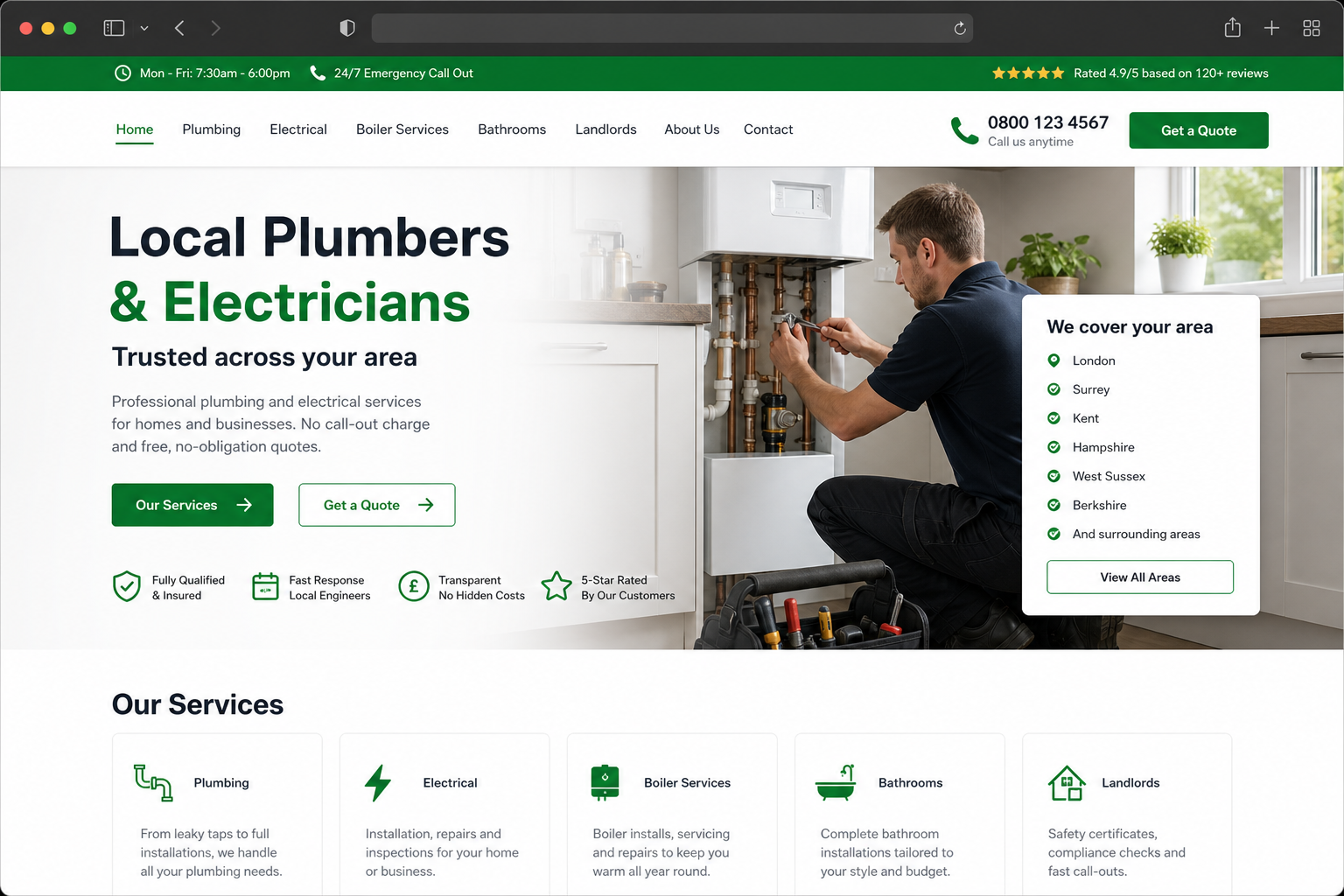
Trades & home services — emergency call-out, service grid, local trust signals
View WordPress design
Nano & Micro entry
Apps+OS from £5.33/mo — WordPress eligible
Small — 3 months free
Most popular starter — trial on new accounts
Scale plans
X-Large through 16X-Large for growth clients
Professional mailboxes
Webmail on your domain — monthly and annual plans
Uptime monitoring
External checks and alerts before customers notice
1/11
WordPress design
Custom WordPress builds on a 5-year hosting agreement
Trades & home services — emergency call-out, service grid, local trust signals
View WordPress design



1/8
Custom development
Bespoke sites, apps, and integrations
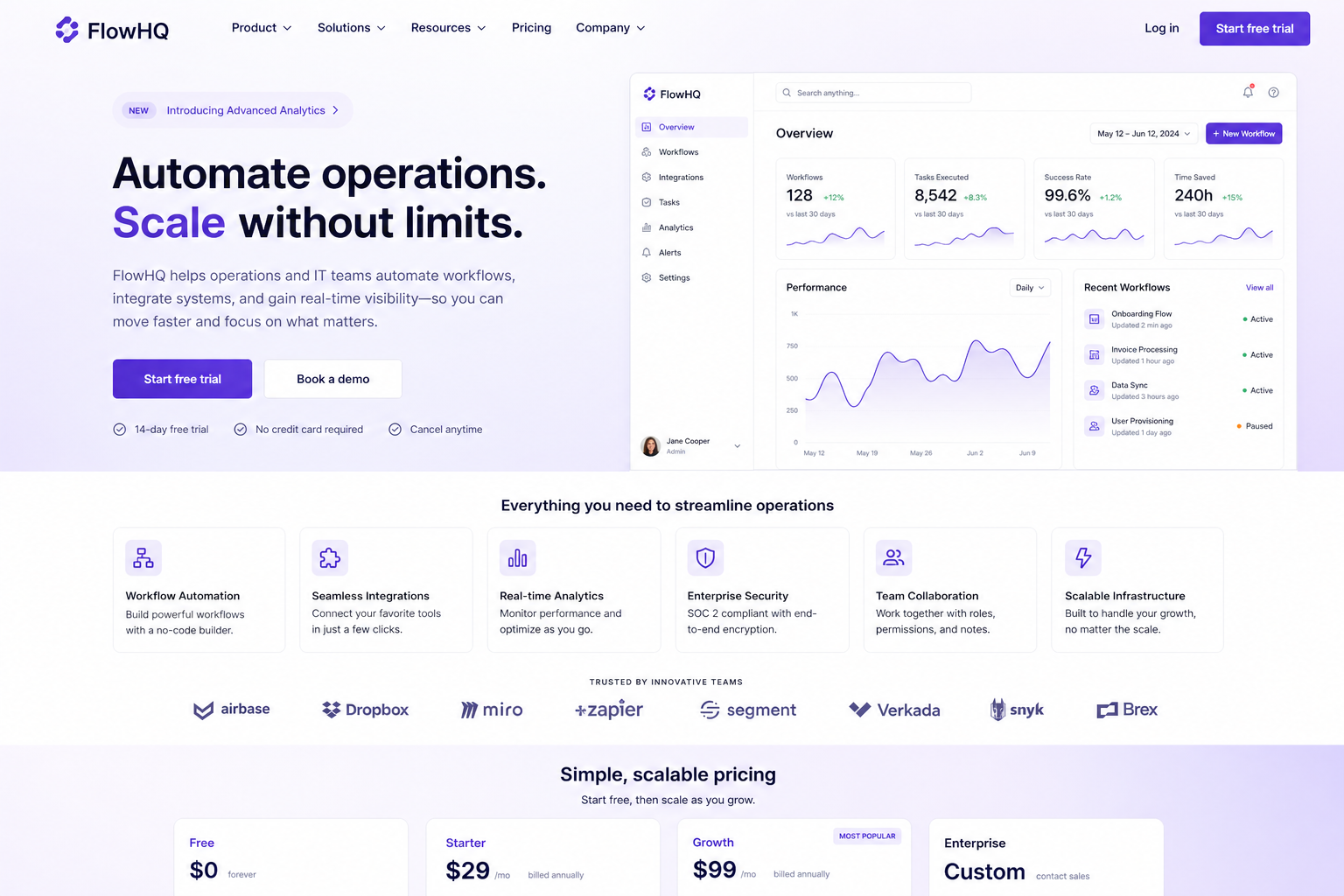
Ecommerce retail — product discovery, merchandising, and checkout-ready layout
View Custom development
The deal looks unbeatable. A pound a month, maybe less, for hosting that promises everything your business needs. You sign up, the site goes live, and for a while nothing seems wrong. The trouble with cheap hosting is that the bill always arrives later, just not on the invoice you were looking at.
Hosting is a real service with real costs behind it. When the headline price is impossibly low, the money has to be saved somewhere, and that somewhere is usually the part you only notice when it fails.
Rock bottom pricing is a customer acquisition tactic, not a sustainable rate. The provider is betting that once your site is set up, the friction of moving will keep you paying when the price climbs. The first year is cheap on purpose. The years after it are where the economics actually live.
That is not automatically dishonest. Plenty of businesses run loss leaders. The problem is when the savings come out of the things that protect your site rather than out of the provider's margin.
When you pay almost nothing, look closely at three areas, because this is where the real cost hides.
The most common saving is cramming far more customers onto a single server than it can comfortably serve. It works because most sites are quiet most of the time, which is the quiet bargain at the heart of shared web hosting. The moment your neighbours get busy, everyone slows down together, and you are competing for resources you thought you had paid for. Slow pages are not a cosmetic problem either. Google's Core Web Vitals guidance ties sluggish loading directly to people leaving before they buy.
Support is expensive because it needs trained humans. The cheapest hosts thin it out, replacing it with a ticket queue that answers in days, or a chatbot that loops you in circles. When your site is down and your income depends on it, the gap between an answer in ten minutes and an answer next Tuesday is enormous.
Many budget plans claim backups, but read the wording. Often the copy sits on the same server as your site, which protects you against nothing if that server fails. The National Cyber Security Centre is blunt about this in its small business guide to backing up, which stresses that a backup you have never tested and cannot reach is not really a backup at all. The wider government cyber security guidance for business makes the same case for treating recovery as essential rather than optional.
The introductory rate is the one you remember. The renewal rate is the one you pay for years. It is common for a plan advertised at a pound or two a month to renew at five or ten times that, and the increase is rarely flagged loudly. By then your site, your email and your settings are all in place, and moving feels like more hassle than absorbing the rise.
Before you sign anything, find the renewal price and base your decision on that number, not the teaser. A host that is upfront about what you will actually pay in year two is already telling you something good about how it treats customers.
Cheap and good value are not the same thing. Good value is a fair price for hosting that is fast, properly supported, kept secure and backed up somewhere you can actually restore from. It is rarely the lowest number on the page, and it is rarely the highest either.
Look for honest resource limits, security that is included rather than sold as a panic purchase such as the free certificates from Let's Encrypt that any decent host enables for you, and backups held off the server. The OWASP project's top ten web risks is a useful checklist for the kind of protection a serious host should already be handling on your behalf. Our shared hosting is priced to be sustainable rather than to win a race to the bottom, and proper off site backups are part of the deal rather than an afterthought.
Here is the calculation that reframes everything. Work out what an hour of your site being down actually costs in lost sales, wasted advertising spend and time spent firefighting. For many small businesses that figure dwarfs a year of hosting in a single bad afternoon.
Seen that way, saving a few pounds a month on hosting is a false economy if it buys you slower pages, absent support and backups that do not work. Cheap hosting is not really cheap. It just moves the cost somewhere you cannot see it until the day it hurts most.

UK Hosting
More businesses want hosting that matches their values. Here is what actually makes hosting greener, and how to tell genuine effort from marketing.

UK Hosting
If you already build sites for clients, reseller hosting turns a one off project into recurring monthly income without buying a single server.

UK Hosting
Where your website physically sits affects speed, trust and compliance. Here is why a UK home address for your data is worth caring about.



Comments