










1/11
WordPress design
Custom WordPress builds on a 5-year hosting agreement
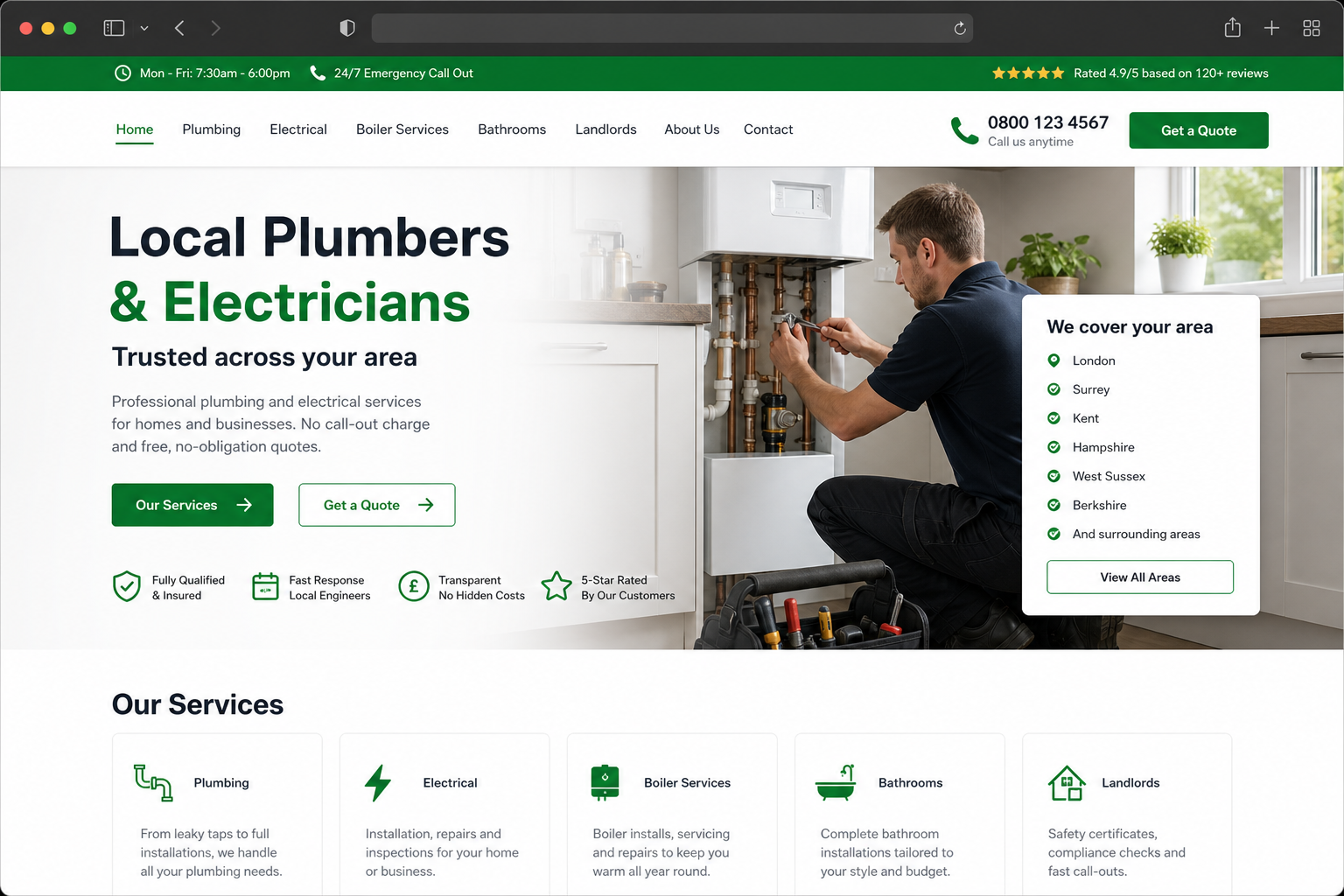
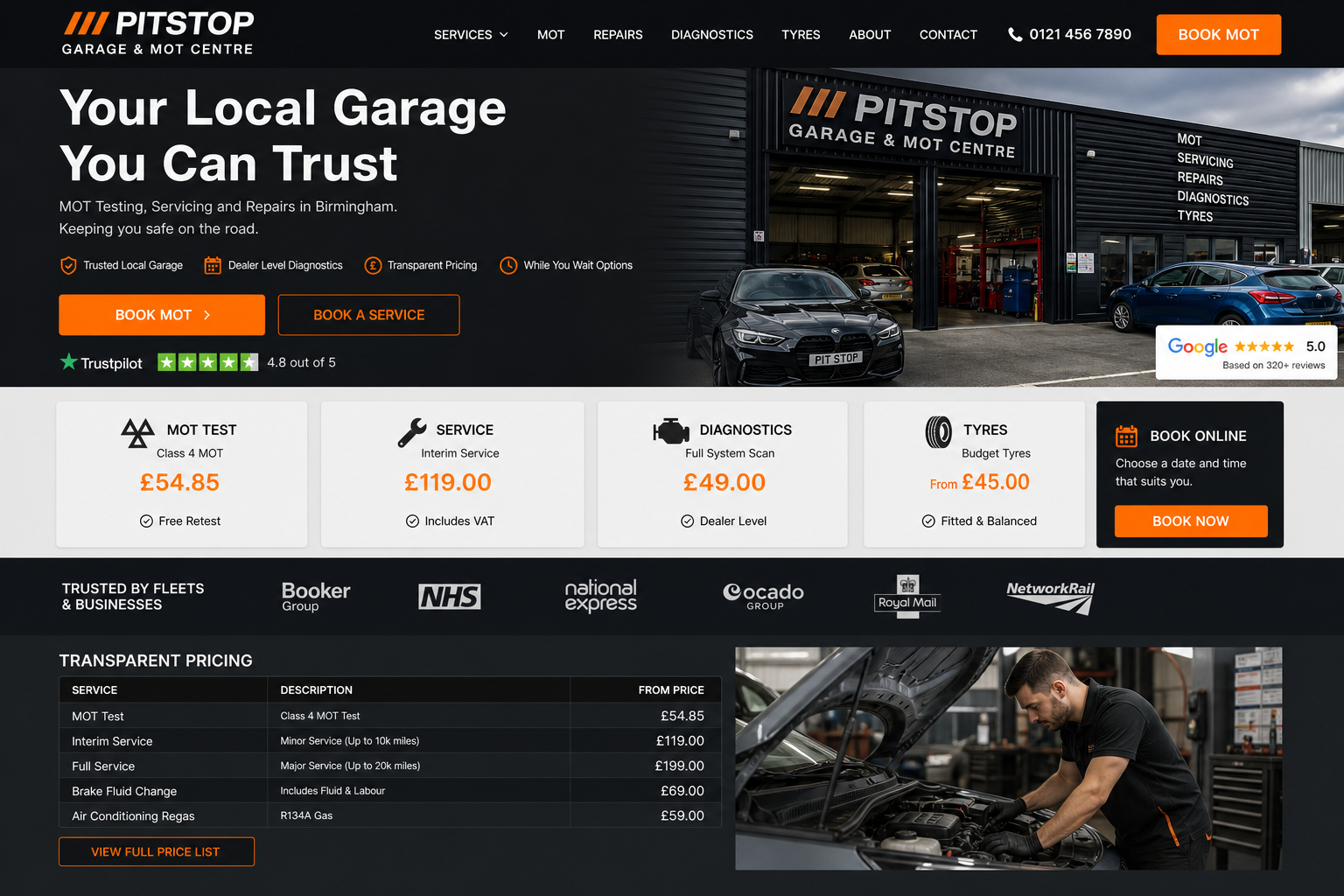
Trades & home services — emergency call-out, service grid, local trust signals
View WordPress design
Nano & Micro entry
Apps+OS from £5.33/mo — WordPress eligible
Small — 3 months free
Most popular starter — trial on new accounts
Scale plans
X-Large through 16X-Large for growth clients
Professional mailboxes
Webmail on your domain — monthly and annual plans
Uptime monitoring
External checks and alerts before customers notice
1/11
WordPress design
Custom WordPress builds on a 5-year hosting agreement
Trades & home services — emergency call-out, service grid, local trust signals
View WordPress design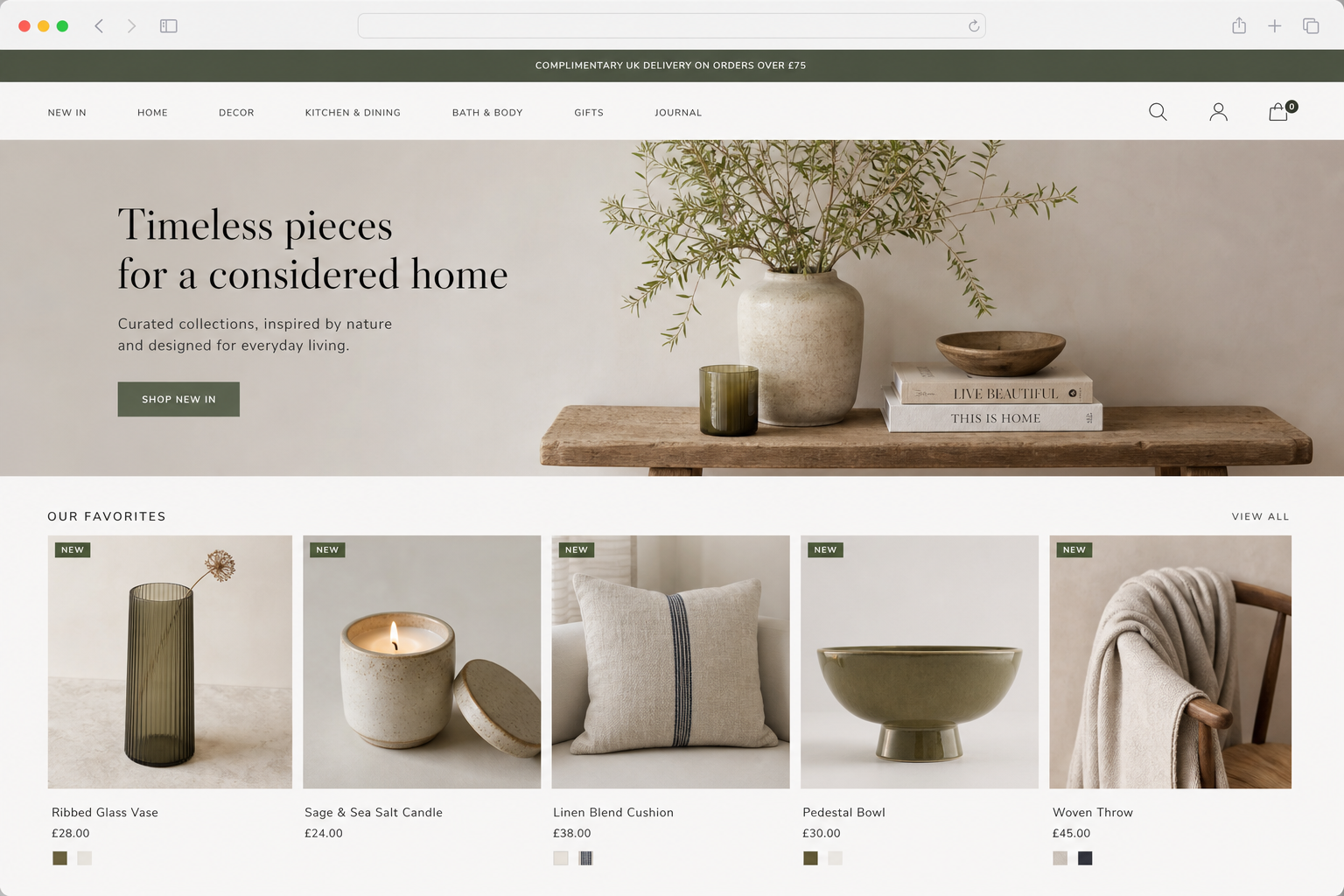
1/8
Custom development
Bespoke sites, apps, and integrations
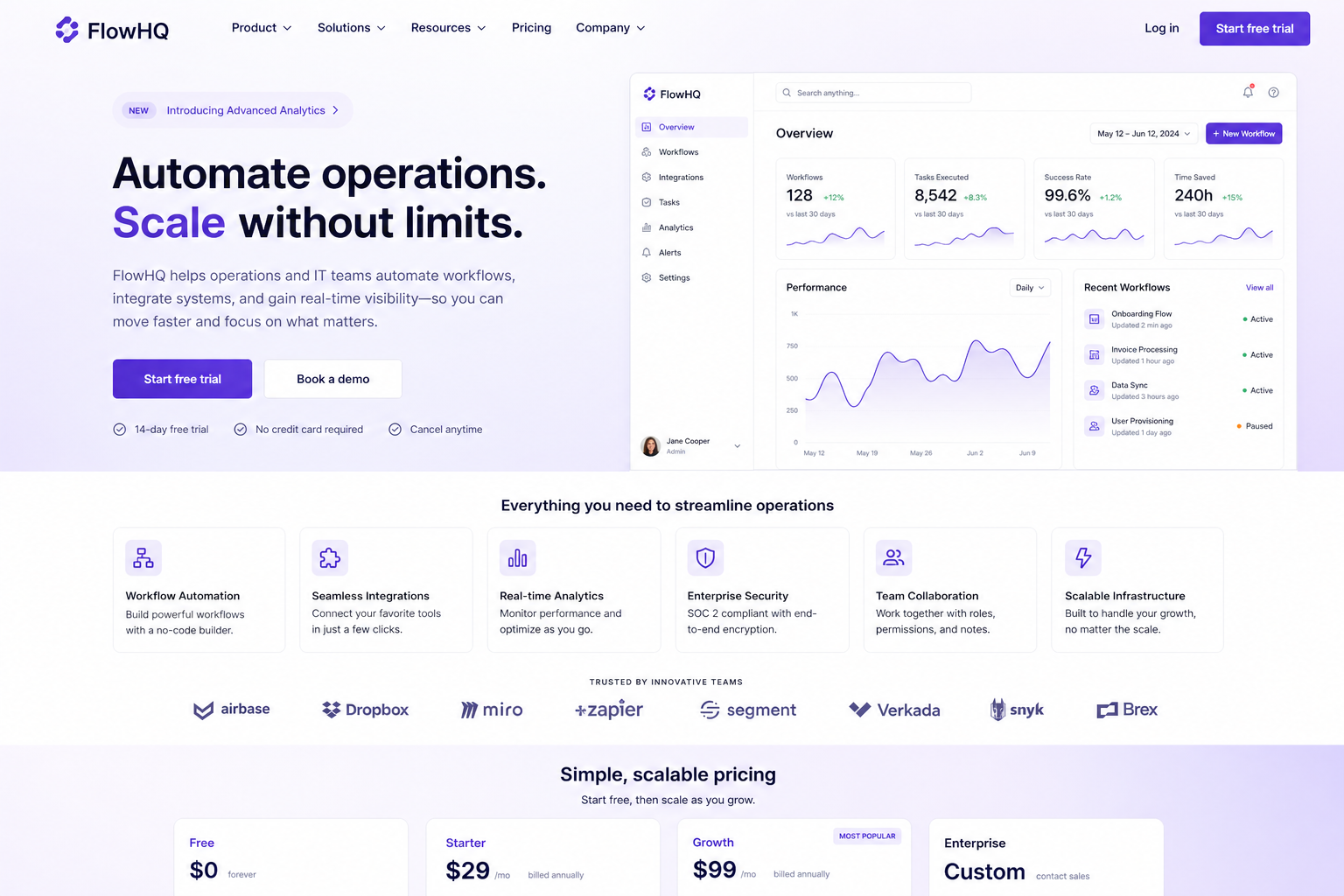
Ecommerce retail — product discovery, merchandising, and checkout-ready layout
View Custom development
You sit down to scope a new site and immediately hit the fork in the road. One developer swears by WordPress. Another insists a custom build is the only serious option. Both sound confident, and you are left wondering which one is steering you towards what suits them rather than what suits you.
The truth is duller and more useful than either pitch. Both routes can produce something excellent. The right choice depends on what the site has to do and who will look after it once the invoices stop.
Every build is a trade between speed, control and ongoing cost, and these two routes sit at different points on that line.
WordPress gives you a huge head start because most of the plumbing already exists. A custom build gives you total control because nothing exists until someone writes it. You are essentially choosing between standing on a mature foundation or pouring your own.
Neither is more grown up than the other. A brochure site forced down the custom route is overspending, and a complex application bent onto WordPress is fighting its tools. Matching the build to the job is the whole game.
For a large share of business websites, WordPress is simply the pragmatic answer, and it is worth being honest about why.
Because themes, plugins and a publishing system already exist, a competent team can have a real site live in a fraction of the time a bespoke project takes. You are assembling tested parts rather than inventing them. The platform is also extremely well documented, so problems rarely need solving from scratch, as its official documentation and the developer handbook both show.
This is the quiet superpower. A marketer can add a page, swap an image or publish a blog post without raising a ticket or waiting for a deployment. For a business that wants to keep its own content fresh, that independence is worth more than almost any technical feature, and it removes a recurring cost that custom sites often carry.
There is a point where bending WordPress to your will becomes more expensive than building exactly what you need.
If your site is really an application, with bespoke logic, unusual data, or deep integrations into other systems, a custom build stops being a luxury and starts being the sensible option. You are no longer paying to reinvent a blog. You are paying for behaviour that no off the shelf plugin delivers, and you get a codebase shaped precisely around it.
Custom work also lets you control exactly how the site is engineered, from the data model to the way the interface is assembled with standards documented on MDN. When performance and bespoke functionality both matter, that control is the thing you are buying. Our custom development service exists for exactly these projects.
The build is a moment. Maintenance is forever, and the two routes age very differently.
WordPress earns its keep on launch day and then asks for steady attention. Core, themes and plugins all need patching, because a popular platform is a popular target. The risks are well understood and the OWASP Top Ten lists most of them, but understanding a risk is not the same as ignoring the updates that close it.
A custom build has a smaller attack surface, since it runs only the code you commissioned. The flip side is that there is no plugin marketplace to lean on. Every fix and every new feature comes back to a developer, so you are trading the patching treadmill for a dependency on the people who built it.
The build you pick quietly sets your hosting needs, and overlooking that is a common way to end up with a fast site on slow infrastructure.
A standard WordPress site is happy on hosting tuned for it, with the right PHP version, caching and security in place. A heavier custom application, or a WordPress build under real traffic, often wants the headroom and control of a virtual private server instead of a crowded shared plan. Whichever route you choose, the same performance fundamentals apply, and Google's advice on fast, reliable sites does not care which framework produced the page.
Whichever way you go, keep the stack patched and the transport encrypted, which today means HTTPS everywhere. Modern guidance on serving sites securely treats that as the baseline rather than a nice to have, and getting the foundation right matters more than the badge on the build.
So which suits your business? If you want to publish freely, launch quickly and keep costs predictable, WordPress is hard to beat. If your site is doing something genuinely unusual, a custom build will repay the extra spend. Decide what the site has to do first, and the technology argument mostly answers itself.

Web Design
Everyone wants a date in the diary before they sign. The honest timeline depends on a few things that are mostly in your hands.

Web Design
Quotes for the same website can swing from a few hundred pounds to five figures. Here is what actually sits behind those numbers.
Web Design
Drag and drop feels like the obvious win until the site gets slow and hard to change. Here is how to weigh a builder against bespoke code.



Comments