










1/11
WordPress design
Custom WordPress builds on a 5-year hosting agreement
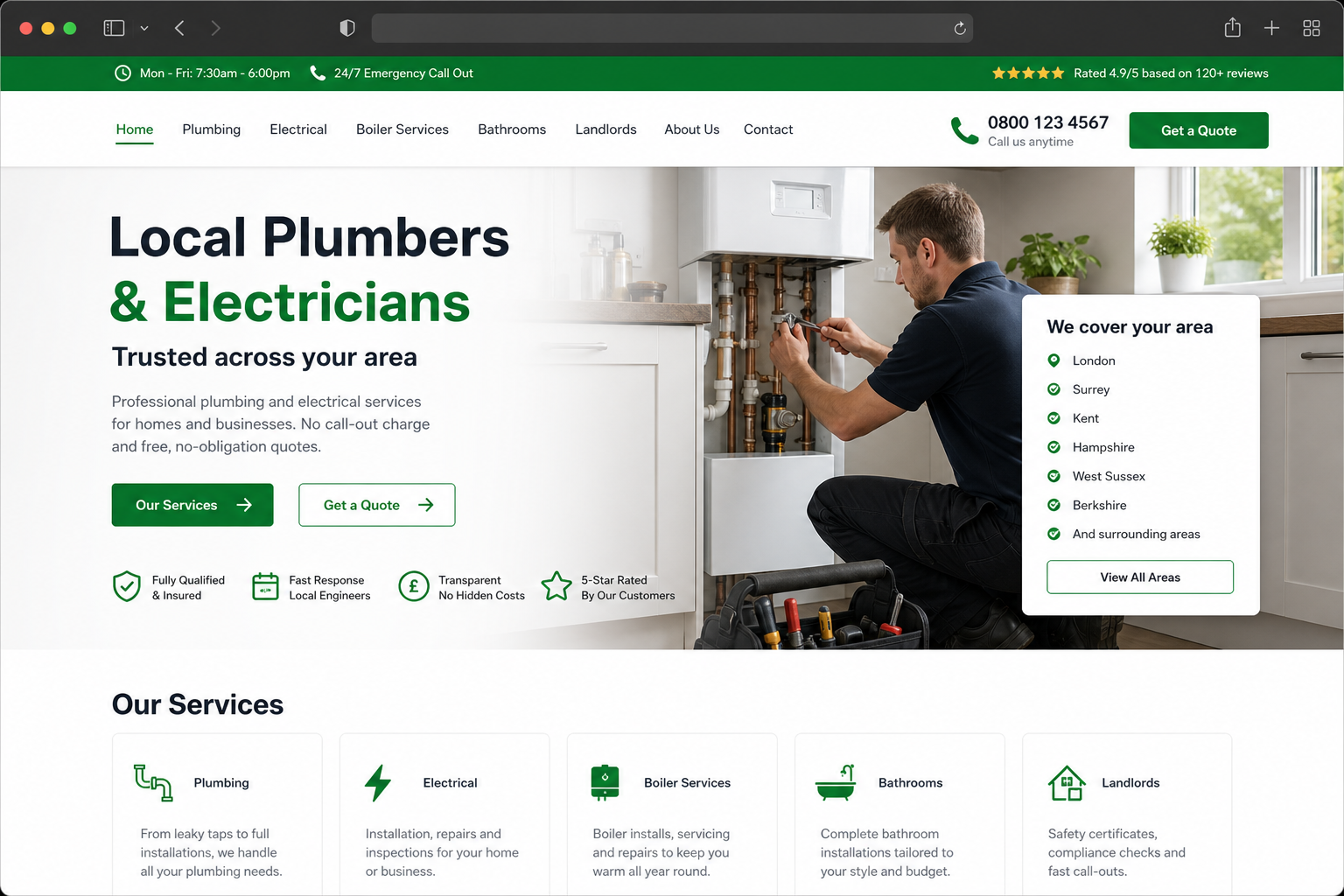
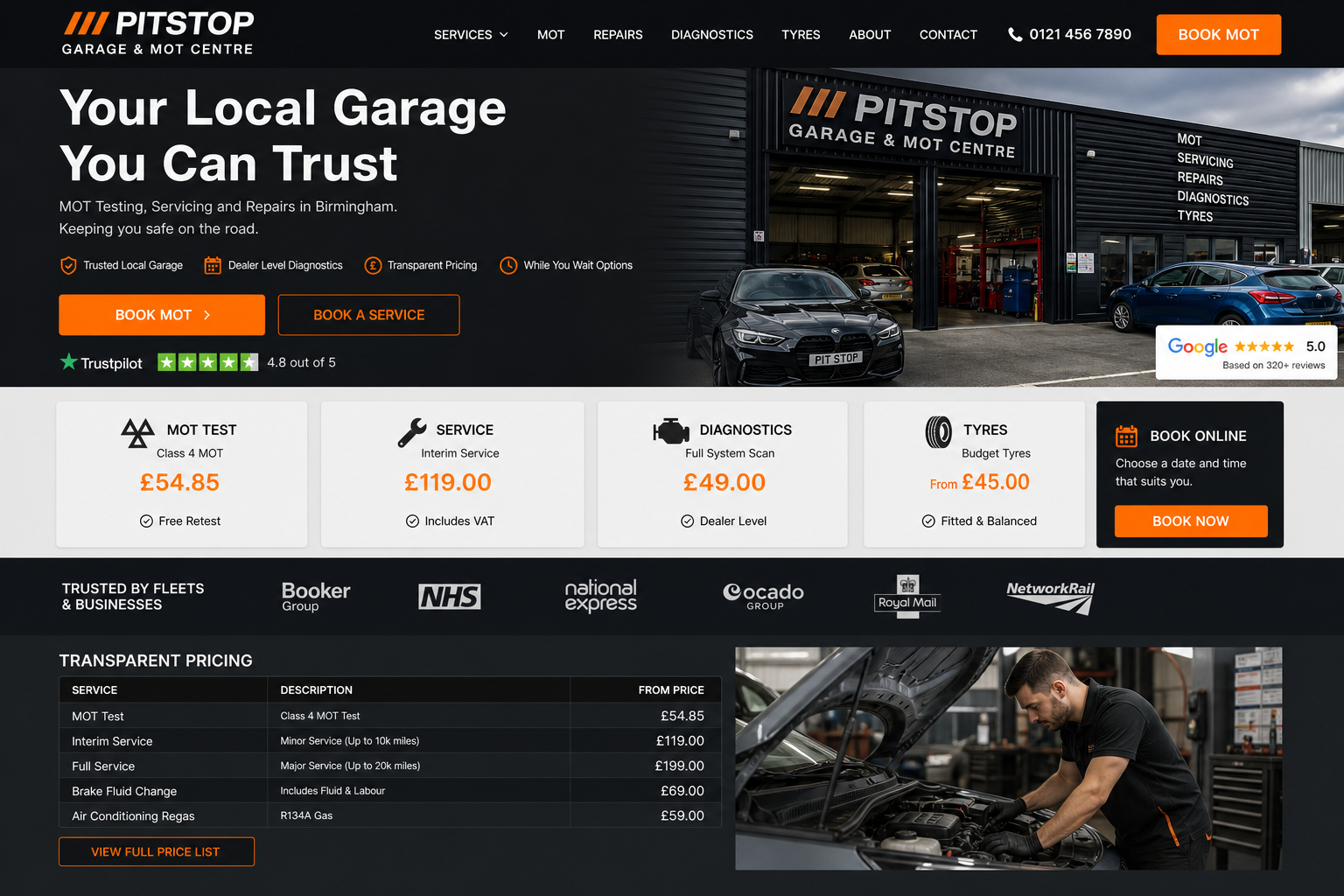
Trades & home services — emergency call-out, service grid, local trust signals
View WordPress design
Nano & Micro entry
Apps+OS from £5.33/mo — WordPress eligible
Small — 3 months free
Most popular starter — trial on new accounts
Scale plans
X-Large through 16X-Large for growth clients
Professional mailboxes
Webmail on your domain — monthly and annual plans
Uptime monitoring
External checks and alerts before customers notice
1/11
WordPress design
Custom WordPress builds on a 5-year hosting agreement
Trades & home services — emergency call-out, service grid, local trust signals
View WordPress design
1/8
Custom development
Bespoke sites, apps, and integrations
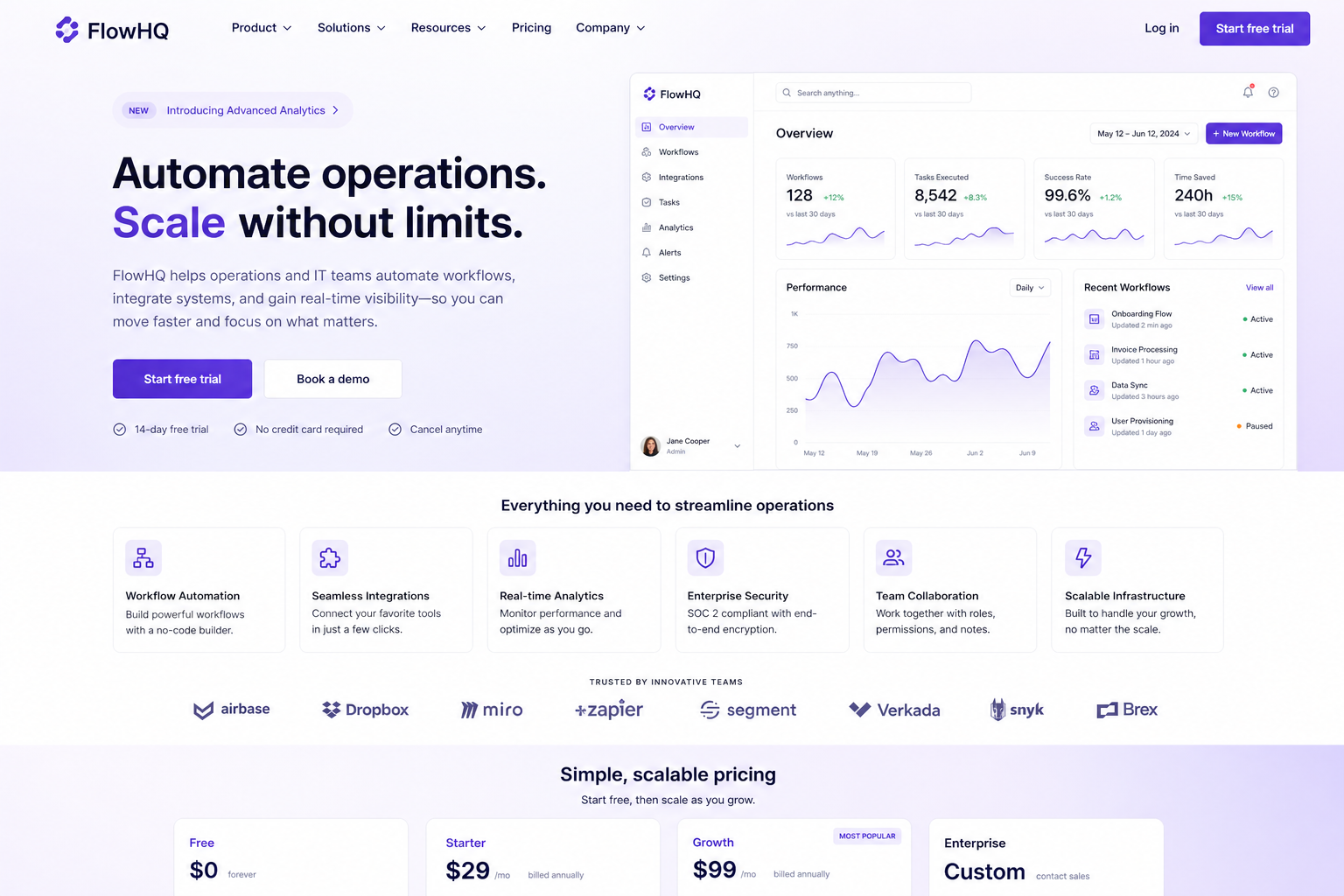
Ecommerce retail — product discovery, merchandising, and checkout-ready layout
View Custom development
You ask three agencies for a price on what feels like the same website and get back a few hundred pounds, a few thousand, and something with a comma you were not expecting. None of them are necessarily wrong, which is the confusing part.
The range is real, and reading it properly is the only way to brief sensibly and avoid paying handsomely for the wrong thing. This is a plain account of what those numbers actually contain.
A website is not a product with a fixed shape. It is a bundle of decisions, and almost every one of them moves the price up or down.
Two quotes can describe completely different amounts of work while using the same word. One might mean a tidy five page brochure built on a tested theme. The other might mean a bespoke booking system that talks to your accounting software. Both are websites. Only one of them is a few days of work.
The other big driver is who does the thinking. A quote that includes strategy, copy and proper testing will always look dearer than one that simply pours your existing words into a template, because it is buying more of someone's time and judgement.
It helps to break a quote into the three things it nearly always bundles together. When you can see them separately, the total stops feeling arbitrary.
This is the part people picture first: the layout, the colours, the way pages respond on a phone. A good build also includes the unglamorous engineering underneath, such as making the site fast and accessible. Google's own guidance on building for the web treats performance and responsive layout as core work rather than extras, and that work takes time whoever does it.
Bespoke design costs more than adapting a theme because someone is drawing your site from scratch rather than dressing an existing frame. Neither is automatically the right answer, but the price gap between them is honest. Speed is part of this too, and Google ties Core Web Vitals directly to whether visitors stay, so a slow site can quietly cost you more than its build saved.
Words and images are where budgets quietly disappear. Many businesses assume the agency will write the site, then discover that copy is quoted separately, or that they are expected to supply it themselves.
Stock photography is cheap. A photographer spending a morning shooting your premises and team is not, but it is often the single thing that makes a small site look like a real business rather than a template. Decide early whether you are paying for words and pictures or providing your own, because the gap between the two is large.
The site has to live somewhere and stay patched once it launches. Hosting is usually a modest monthly or annual figure, but the type matters. A content managed site has different needs from a simple brochure, which is why managed WordPress hosting exists as its own product rather than a generic plan.
Most small business sites land in one of three buckets, and the bucket sets the floor on price.
A drag and drop template is the cheapest route and can be genuinely fine for a simple presence. WordPress sits in the middle: a mature, well documented platform that you or a freelancer can edit without a developer on call, and its official documentation is extensive enough that help is rarely far away. Our own WordPress website service is built on that flexibility.
A fully custom build is the dearest because nothing is reused. You pay for that when your business genuinely needs something off the shelf cannot do, and you waste money on it when it does not.
The launch invoice is rarely the end of the spending, and pretending otherwise leads to nasty surprises in year two.
Budget for hosting, your domain renewal, an SSL certificate where it is not included, and software updates. If anyone is going to keep your content fresh, that is either your time or someone else's fee. Security patching in particular is not optional, since an unmaintained site is an easy target, a point the UK government makes repeatedly in its advice for businesses.
Rough brackets help more than a single magic number. A sole trader who needs a credible few page site and a contact form is at the lower end, and a template or simple WordPress build will serve them well.
A growing service business that wants strong copy, original photography and room to add pages should expect to spend more, because they are buying strategy and content rather than just a layout. An ecommerce or booking driven business sits higher again, since they are paying for functionality that has to work reliably every single day. If cash flow is the constraint, the government's business finance support finder is worth a look before you trim the brief. The right figure is the one that matches the job, not the cheapest quote in the pile.
You do not need to be technical to keep a quote honest. A few direct questions do most of the work.
Ask what is included and what is extra, especially copy, photography and revisions. Ask who owns the site and the domain when the project ends. Ask how the site will be built, since a responsive, standards based approach using techniques set out in the MDN guide to responsive design will age far better than a fragile one. Ask what happens after launch, and what it costs.
Get clear answers to those and the wild range of quotes starts to make sense. You are no longer comparing prices in the dark. You are comparing what each one actually buys, which is the only comparison worth making.

Web Design
Everyone wants a date in the diary before they sign. The honest timeline depends on a few things that are mostly in your hands.

Web Design
Both routes can produce an excellent website, so the right answer depends on what you are building and who has to maintain it.

Web Design
Redesigns rarely stall on the design. They stall on the words and pictures that were supposed to be ready weeks ago.



Comments